Native Plants · 6 min
How Native Plants Return to Burned Landscapes
Surviving roots, stored seed, dispersal and nearby habitat can all contribute to regrowth—at rates set by the place, not a universal schedule.
Several routes back
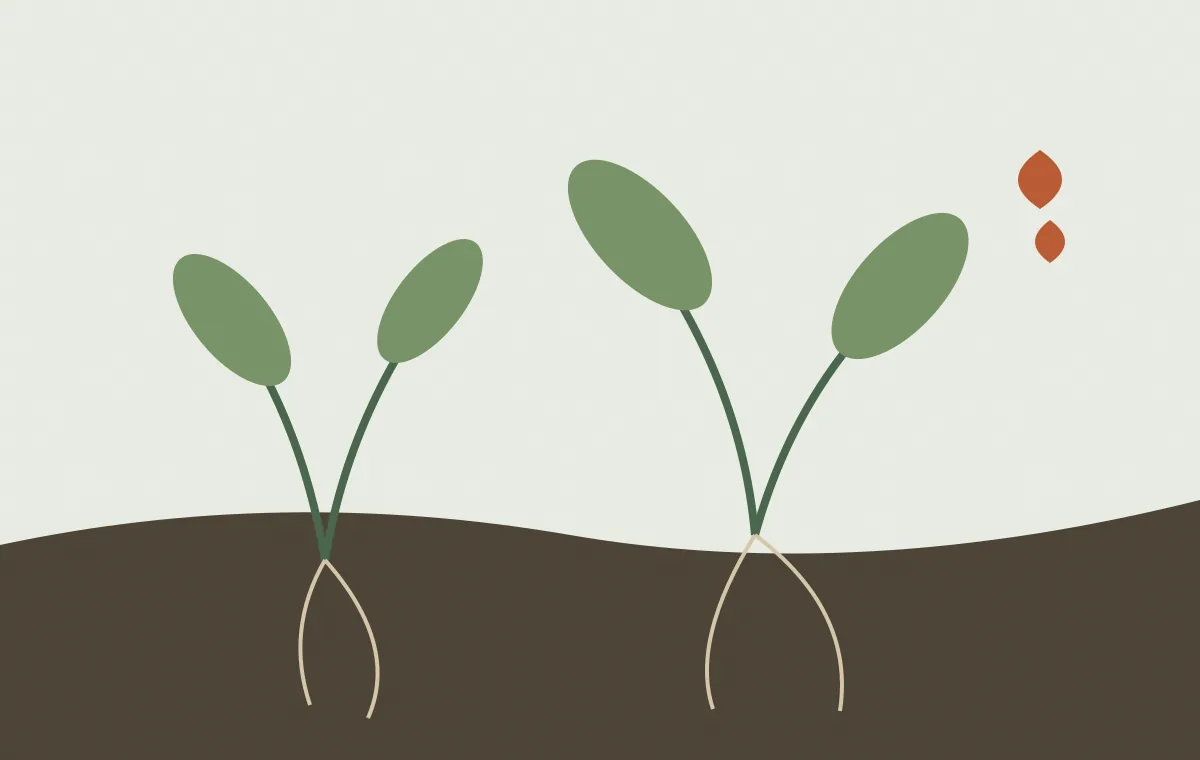
Some plants resprout from protected roots or buds. Others germinate from seed already in the soil, or arrive from surviving patches nearby. Which route matters most depends on the species, fire severity, season, weather and landscape pattern.
Green shoots are visible evidence of activity, but they do not mean that pre-disturbance composition has returned. Early communities can differ substantially from later ones.
Patches matter
Unburned or lightly affected areas can retain organisms, seed sources and shelter. A varied burn mosaic may therefore create very different starting conditions only a short distance apart.
Field notes should record slope, shade, remaining canopy, distance to surviving vegetation and signs of grazing or erosion. Those observations make later comparisons more meaningful.
When planting is considered
Seeding or planting is not automatically the best response. Managers weigh erosion risk, natural regeneration, invasive species pressure, seed origin, climate and the possibility of unintended competition.
Local agencies and ecologists should guide intervention. Renewal Ecology describes general principles; it does not prescribe a treatment for a particular property.
Editorial conclusion
Recovery is not one visible moment. The strongest account names the indicator, place, method and timescale, then returns to see what changed. Use the sources at right for the underlying public record.